
How Often Does a Septic Tank Need Cleaning?
The honest answer is: it depends on load, not the calendar. A 1,000 gallon tank serving two people can stretch past 5 years between pumpings. The same tank under a household of six fills with solids much faster and may need attention every 2 to 3 years. Garbage disposals, laundry habits and even a leaking faucet all push more solids and water through the system, shortening that window. Lubbock Porta Pros gets calls from homeowners who assumed "every few years" meant "never check it," and that assumption is what causes backups. If you are building new construction and are not yet on a permanent system, a holding tank rental bridges the gap without guesswork, and pairing it with a construction dumpster rental keeps the whole site tidy while work continues. Commercial kitchens face a different clock entirely: a grease interceptor gets pumped once fats, oils, grease and solids reach 25 percent of the liquid depth, which can happen monthly depending on volume, a schedule worth comparing against septic tank pumping cost for a household system. If you are unsure what signs mean "call now" versus "check next year," our page on septic tank warning signs breaks down the difference, and our guide on septic tank pumping cost covers what a visit runs.
What Determines Septic Tank Cleaning Frequency?
Four things drive septic tank cleaning frequency: tank size, household size, water usage and what goes down the drain. A small tank under heavy daily use fills faster than a large tank in a low-occupancy home, plain and simple. Lubbock's clay-heavy soil also plays a role in how well a drain field absorbs effluent between pumpings, which is worth asking about during septic pumping service, especially if the property also needs a porta potty rental during construction. Homes running dishwashers, disposals and multiple loads of laundry daily add solids at a faster rate than a household with none of those habits, similar to how a busy job site needs more units than the how many porta potties do I need guide assumes for light use. For a full breakdown by tank size and family count, see septic tank cleaning. Businesses and job sites have their own version of this question. A construction crew working near Wolfforth, 8.4 miles southwest of Lubbock, generates different sanitation needs than a fixed residential system, and OSHA 1926.51(c) sets toilet facility ratios for those sites: one toilet for 20 workers or fewer, scaling up from there. That is a separate standard from septic pumping frequency, but it matters if your project pairs a septic question with worker sanitation, which is common on rural builds, and our construction site services page covers how those pieces fit together, including options like a standard porta potty rental or an ADA accessible porta potty for larger crews.
Why Does Tank Size Change the Timeline?
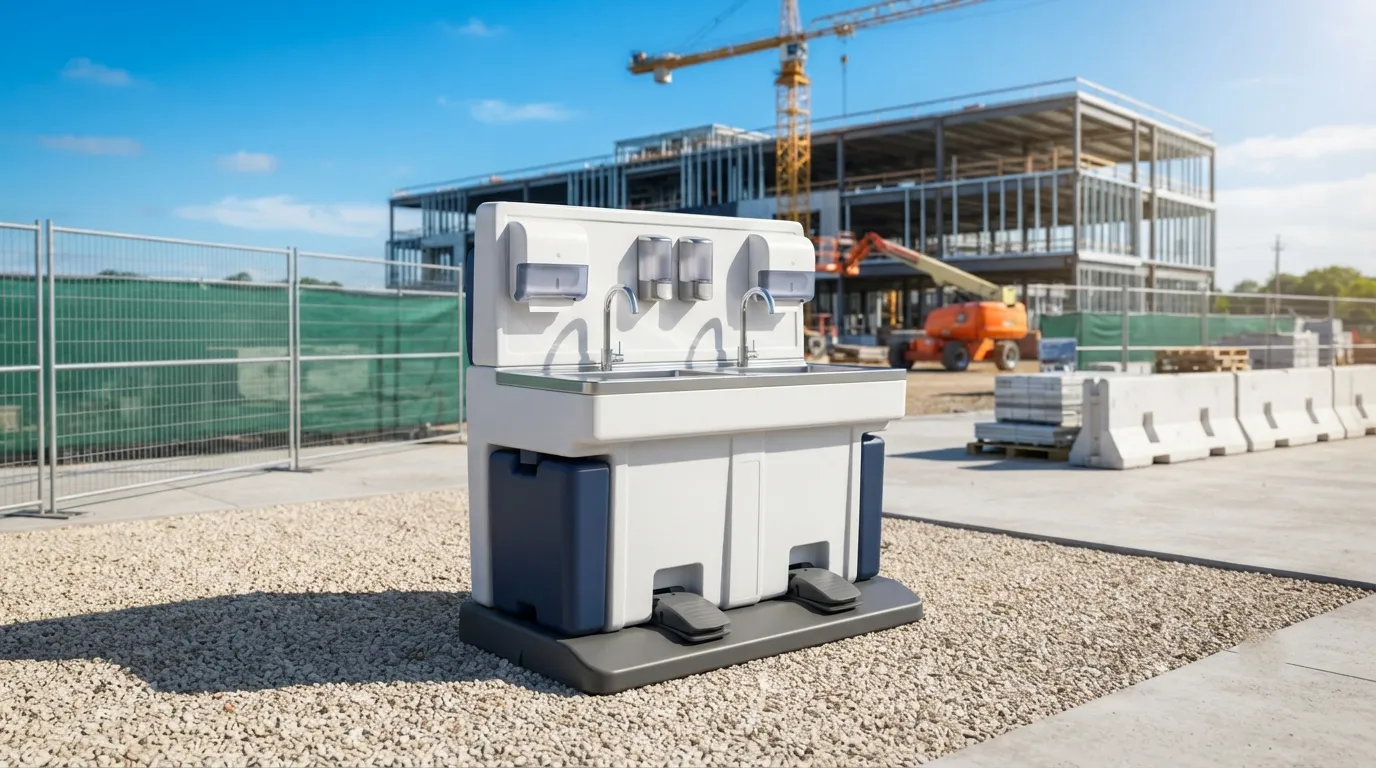
A bigger tank holds more waste before solids reach the outlet baffle, so it simply takes longer to fill. A 1,000 gallon tank versus a 1,500 gallon tank under the same household can differ by a year or more in pumping frequency. This is why guessing based on a neighbor's schedule doesn't work if your neighbor has a different tank size or fewer people in the house. Lubbock homeowners with older properties sometimes have undersized tanks that were adequate decades ago but strain under a modern household's water use, much like an older jobsite layout can outgrow its temporary fence rental plan as the crew grows. If you're doing a renovation and temporarily displacing a bathroom, a home renovation porta potty keeps the household functional while plumbing work happens. Farms and properties with hand-labor crews near Shallowater, 12.1 miles northwest, fall under a different rule entirely: OSHA 1928.110 requires field sanitation with one facility per 20 employees, reachable within a quarter mile walk, and a handwashing station rental often rounds out that setup. That standard governs portable facilities for workers, not the household septic tank, but it's a useful comparison for why "one size fits all" answers don't hold up. For agricultural operations juggling both systems, see farm and agricultural restrooms.
When Should You Call for Emergency Service?
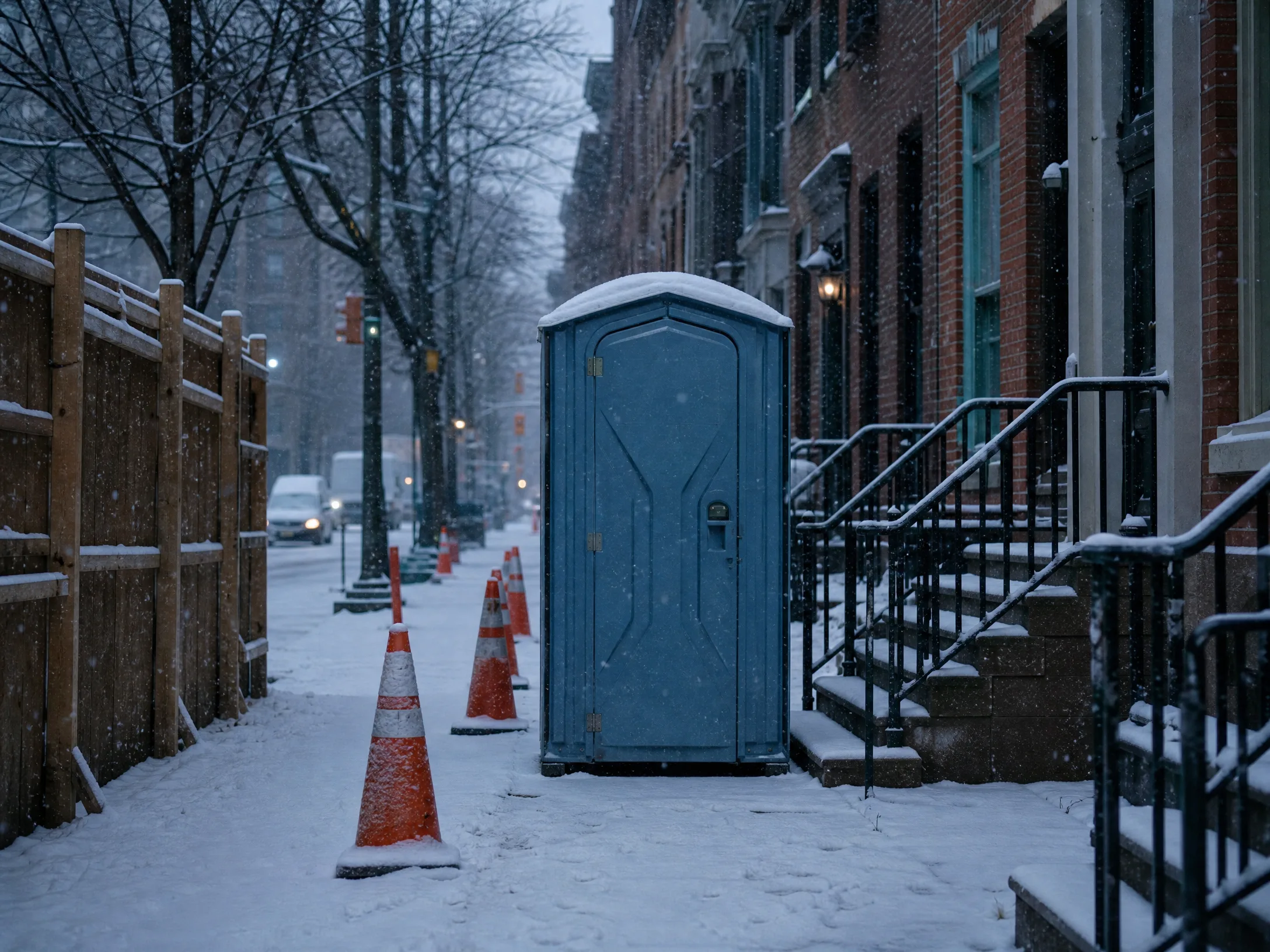
Call immediately if you see slow drains across the whole house, standing water near the drain field, or sewage odor indoors, the same urgency that applies when a site calls for emergency porta potty rental instead of a scheduled delivery. Those are signs the tank is at capacity or the field is failing, and waiting risks a backup into the house. Lubbock Porta Pros offers emergency septic service for exactly this situation. Don't wait for the "every 3 to 5 years" window if symptoms show up early, and if the property also needs a roll-off dumpster rental during cleanup, plan for both at once. On the flip side, if you're planning ahead of a known milestone, like adding a bathroom or hosting a large gathering, how often to pump a septic tank questions often come paired with sizing questions best handled in advance rather than during a crisis. Grease trap issues at restaurants follow the same logic, and busy kitchens sometimes need a portable sink rental on hand for extra handwashing capacity. Our grease trap pumping page covers that separately since the triggers are different from a home system.
How do I know if my septic tank is full?
Slow drains, gurgling pipes, and standing water or unusually green grass over the drain field are the clearest signs. If multiple fixtures back up at once, the tank is likely past capacity. Don't wait, since a full tank can force sewage back into the house.
Does household size really change pumping frequency that much?
Yes. A two-person household on a 1,000 gallon tank can go 5 years between pumpings, while a six-person household on the same tank may need service every 2 to 3 years. More people means more water and more solids moving through the system daily.
Can I extend time between pumpings?
Somewhat. Fixing leaks, spacing out laundry loads, and avoiding disposal overuse all reduce solid buildup. But there's a limit. Once a tank fills past a safe margin, only pumping resolves it. Preventive habits stretch the interval, they don't eliminate the need.
Is a grease trap the same as a septic tank?
No. A grease trap is pumped when fats, oils, grease and solids hit 25 percent of the liquid depth, often monthly for busy kitchens. A residential septic tank runs on a multi-year cycle instead, tied to household size and tank capacity.
What happens if I never pump my septic tank?
Solids eventually clog the outlet baffle and drain field, causing backups into the house and potential field failure requiring full replacement. That repair costs far more than routine pumping. Regular service on a 3 to 5 year cycle protects the whole system long term.
Next step
Get a delivery date
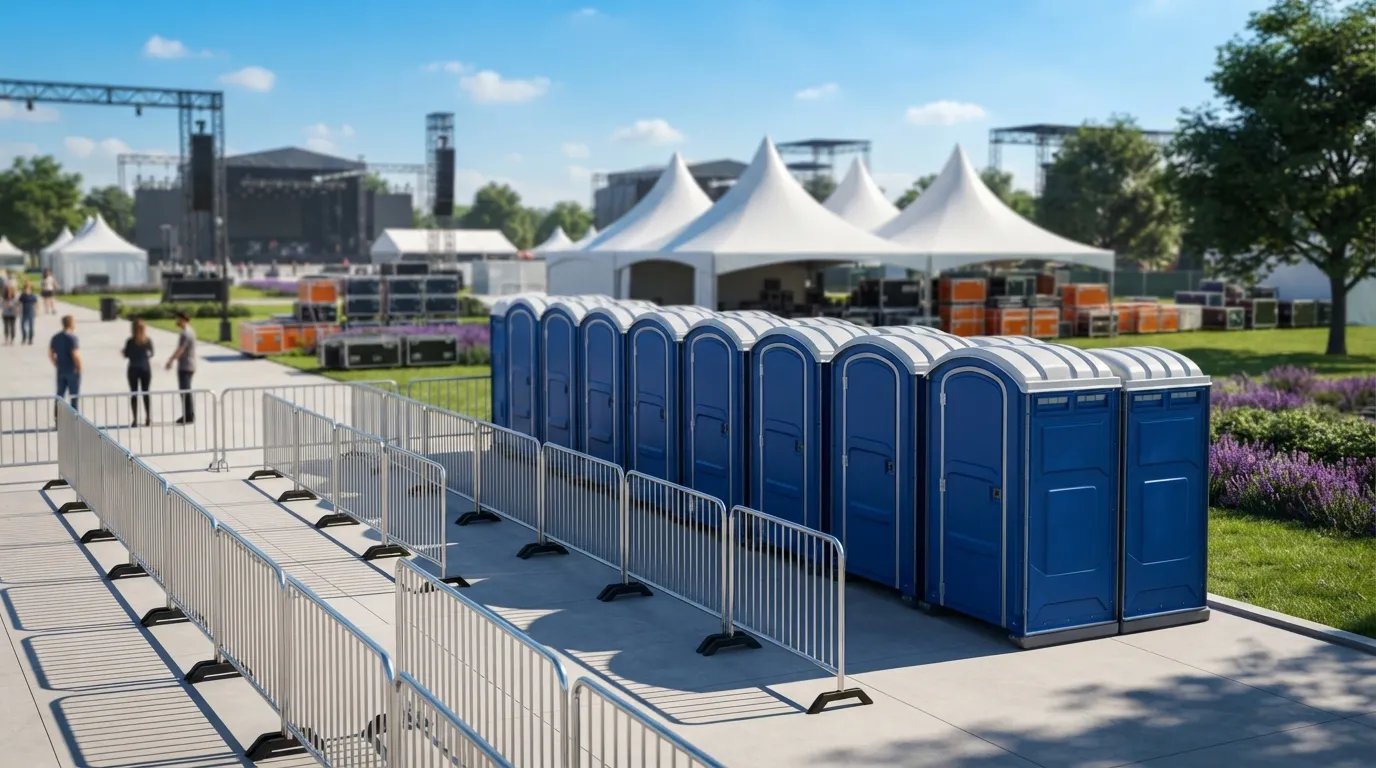
Tell us the address, the dates and the headcount. We size the order and confirm the route.