
Where should a porta potty go on a job site?
Start with the ground, since porta potty placement rules always begin there. A standard unit runs about 44 by 48 inches on its footprint and stands 92 inches tall, so it needs a flat, stable pad, not a slope or loose gravel that shifts under the base. ADA Standards section 302.1 calls for surfaces that are stable, firm and slip resistant, which matters just as much for foot traffic as for wheelchair access. Keep the unit within reach of the service truck: our drivers need a clear path in and back out, and on tight lots in Lubbock that means thinking about where delivery trucks turn before the unit ever gets set. If you are placing units for a crew, check how many porta potties do i need first, since headcount drives layout as much as space does. For jobsites governed by OSHA 1926.51(c), unit count also depends on crew size, not just square footage, so pair your placement plan with your OSHA portable toilet requirements review before you finalize spots.
Can a porta potty sit in the street or right of way?
Placement in the public right of way in Lubbock needs confirming with the city before you commit to a spot, since that rule was not verified for this page. Do not assume the curb strip or street shoulder is fair game. If your site backs onto a road, plan an alternate pad on private property as a fallback, and loop that into your porta potty permit requirements research. The same caution applies to dumpster placement: a dumpster placement permit is a separate question from portable toilet placement, and permit cost varies by what surface the container sits on, so check dumpster permit requirements rather than guess. If you are also planning a roll-off dumpster rental alongside restrooms, remember a roll-off delivery needs about 60 feet of straight clearance behind the truck, which changes where both units can realistically sit on a tight Lubbock lot.
What clearance and access rules apply near the unit?
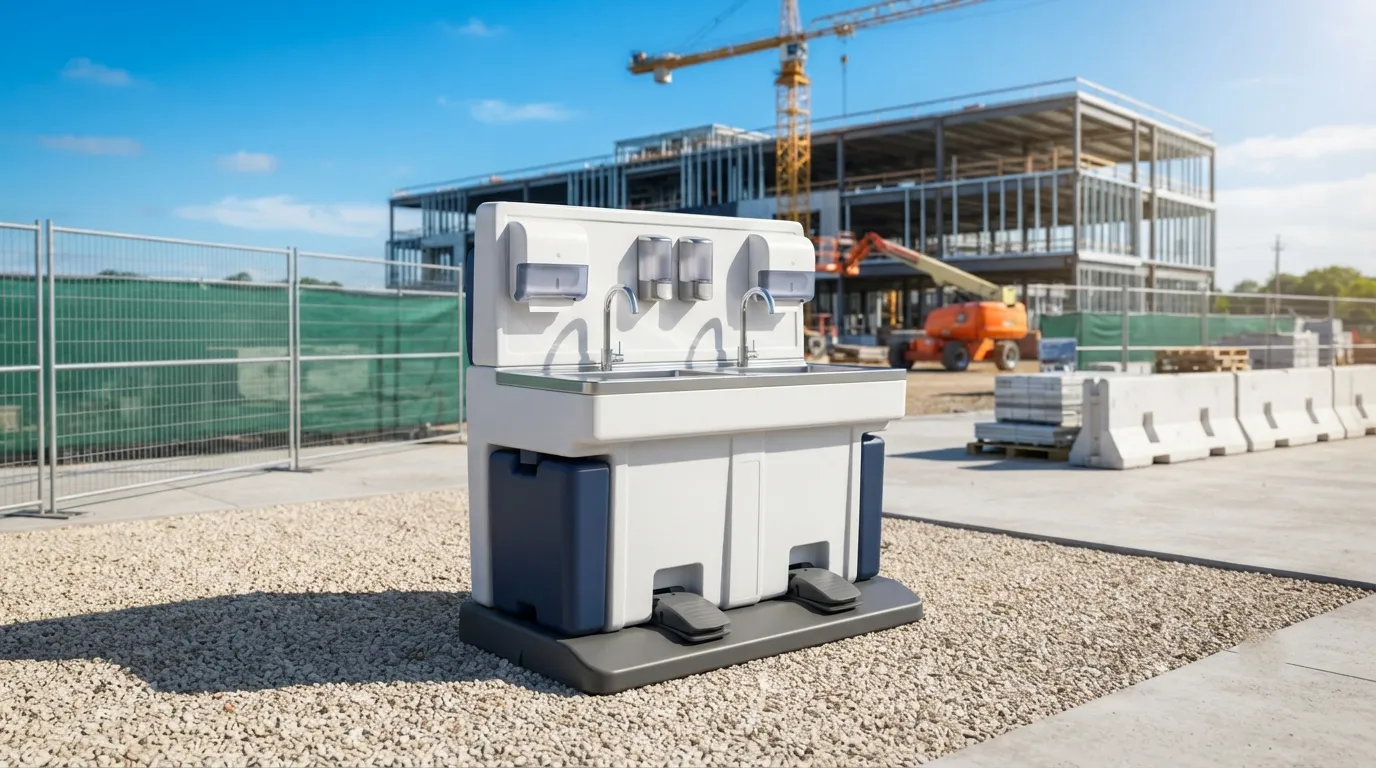
Doors need to swing without hitting anything, and service techs need a straight walking path with nothing to step over. ADA Standards section 404.2.3 sets minimum clear door opening width at 32 inches, and section 403.5.1 calls for a 36 inch clear route, numbers worth matching even on non-ADA units so wheelchairs and dollies both move freely. Where you cluster several units, ADA Standards section 213.2 requires at least 5 percent to be accessible, never fewer than one, so plan that ratio into the layout up front rather than swapping a unit in later. If you are placing an ADA accessible porta potty, section 304.3.1 calls for a 60 inch turning circle in front of the door, which takes more pad space than people expect. Ground surfaces feed lighting decisions too: OSHA 1926.56(a) sets minimum illumination for construction areas, so a unit tucked behind equipment at dusk may need a light tower rental nearby. Keep barricades compliant with OSHA 1926.202 if the unit sits near vehicle traffic, and route cords clear of GFCI-protected circuits under OSHA 1926.404(b)(1)(ii) if a handwashing station rental or portable sink rental sits next to it; if that sink is an Ozark River unit, keep replacement parts on hand since a cracked basin or pump can pull a station out of service mid-job.
Does placement change for events versus construction sites?
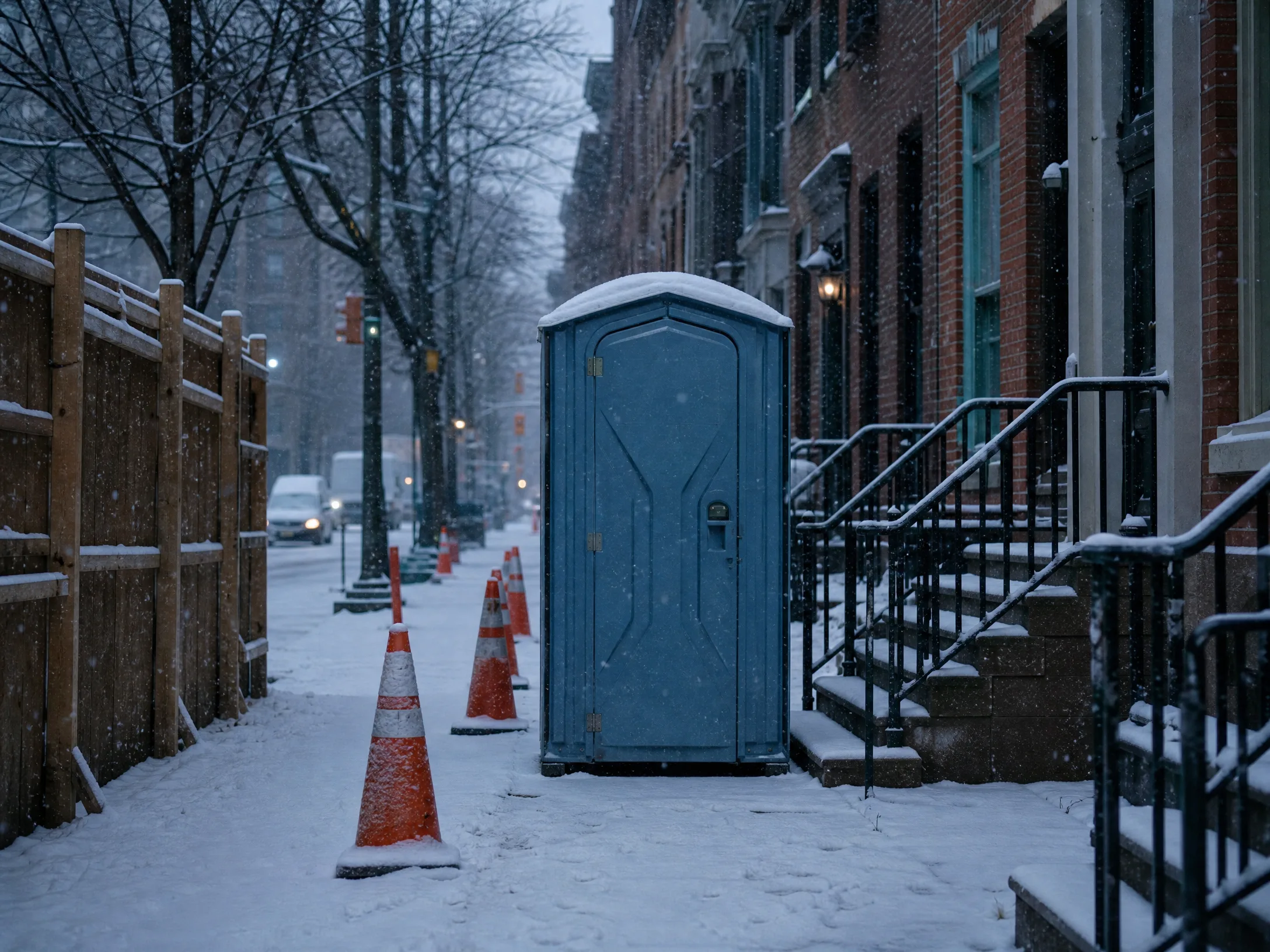
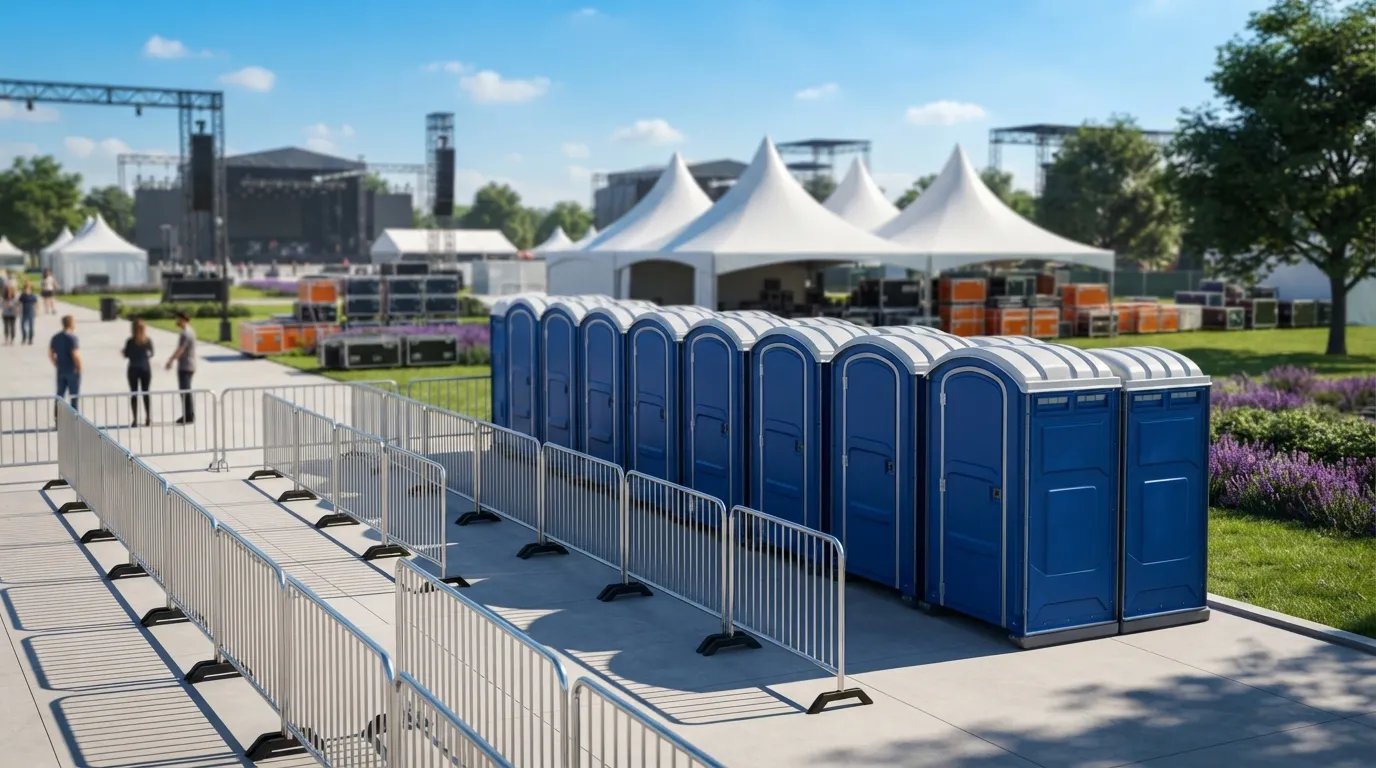
Yes, mainly because of grouping and sightlines rather than the ground rules themselves. Event layouts for a wedding restroom rental or festival restroom rental usually cluster units near parking or entry points so guests are not walking far, while construction placement follows the crew and the OSHA 1926.51(c) ratio instead of foot traffic patterns. A marathon and race restrooms layout spreads units along the course instead of clustering them, which changes service routing across Lubbock on race day. For farm sites, OSHA 1928.110 calls for field sanitation within a quarter mile walk of hand-labor employees, a distance rule that does not apply to a fixed jobsite, so a farm and agricultural restrooms layout looks different from a downtown Lubbock build. If your event needs something nicer than a standard unit, a deluxe flushable porta potty or full restroom trailer rental has its own leveling and hookup needs worth planning early, and a mobile office trailer rental on the same site adds its own door clearance question, since a mobile office trailer with damaged or narrow doors sometimes needs mobile office trailer replacement doors before it is usable for staff.
How far in advance should I schedule placement?
Book at least a few days ahead for standard jobs, longer for events pulling from a tight fleet. Service intervals also matter: ANSI/PSAI Z4.3 sets a baseline of one visit per week for up to 10 users over a 40 hour week, so high-traffic sites need more frequent stops planned into the layout from day one.
Does placement affect rental price?
Not directly, but distance from our yard does, since delivery fees scale with drive time and site access. See porta potty rental cost for current bands, and porta potty rental per day if you are comparing short jobs against a longer monthly porta potty rental.
Can I move a unit myself once it is placed?
Don't. Tanks hold 60 to 70 gallons when full, and shifting a serviced unit risks a spill and voids the service schedule. Call us to reposition it, and check our service areas page to confirm your site falls in Lubbock or one of the nearby towns we already cover, like Wolfforth 8.4 miles southwest.
What if my site has no flat ground?
We can usually build a stable pad with mats or leveling blocks. Flag it when you request a quote so we bring the right equipment on delivery day instead of discovering the problem on site.
Do septic or grease trap sites need different placement rules?
Placement rules for restrooms are separate from tank access, but both need truck clearance. A septic pumping service or grease trap pumping job needs the same straight-line truck access as a portable toilet delivery, so plan one clear path for both; the same logic applies whether it is a Lubbock backyard or a placerville septic pumping service call, since the truck still needs a straight approach to the tank.
Next step
Get a delivery date
Tell us the address, the dates and the headcount. We size the order and confirm the route.